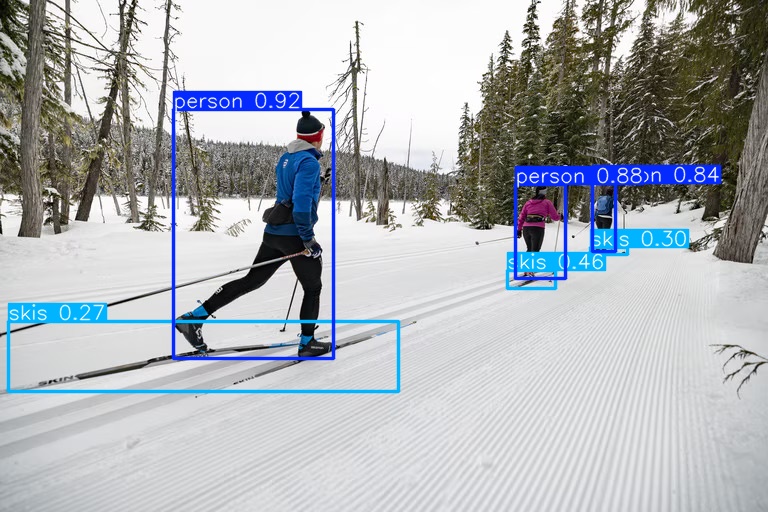
Skiing & Winter-Activity Analytics
Measure winter trail and terrain use in conditions that defeat infrared counters — all-weather detection that keeps counting through snow, glare, and cold.
Questions We Answer
How many skiers use this terrain?
When are the peak ski days?
How do snow and weather affect usage?
How does winter use compare across seasons?
What We Measure
Winter activity counts
Count Nordic skiers, snowshoers, and fat-bikers reliably.
All-weather detection
Validated accuracy through snow, glare, and low light.
Peak-day insight
Identify the conditions and days that drive winter use.
Seasonal comparison
Compare winter activity year over year.
Planning & Operations Applications
Winter Recreation Monitoring
Traditional counters struggle in exactly the conditions that define winter recreation — snow accumulation over the sensor, blowing snow, extreme cold, and seasonal infrastructure that can't be left in the field. The result is that winter use, the hardest season to staff and the most expensive to groom, is also the least measured. Waypoint was deployed successfully through a full Minnesota winter, capturing activity in the conditions that defeat infrared beams.
Captured reliably in winter:
- Activity through snow, glare, and cold
- Peak-day and condition-driven demand
- Directional travel on loops and trails
- Season-over-season comparison
That means agencies can finally put a defensible number on winter demand instead of estimating it from a few good-weather observations.
Measure Winter Activity Types
Winter trails rarely serve one user. Cross-country skiers, snowshoers, walkers, and fat-bikers share the same corridors at different times and place different demands on grooming and tread. Classifying each activity separately shows what the trail is actually being used for — not just that something moved through the snow.
Tracked distinctly:
- Cross-country skiing
- Snowshoeing
- Winter walking
- Fat biking
Grooming & Seasonal Operations
Grooming, staffing, and trail openings are among the most weather-sensitive and costly decisions a winter operation makes. Knowing which days and conditions actually drive use lets managers align grooming passes and staffing with real demand instead of the calendar.
- Align grooming with demand
- Staff peak winter days
- Prioritize trails and seasonal investment
Metrics We Capture
Every metric below is derived from image-validated detections — exportable and auditable, not modeled estimates.
From Raw Image to Real-Time Insight
Solar-powered field stations capture imagery that our AI turns into clean, classified detections in seconds.